You're probably invisible online right now

You’re probably invisible right now.
Not literally. But online, to the people who would happily pay you? Your competitors are showing up in their feeds every week while your business doesn’t exist in their world.
Here’s the number that should sting: 73% of people will buy from a competitor if you don’t respond to them on social media. They’re not being disloyal. There’s nothing to be loyal to yet. They asked a question, someone else answered it, and that was the entire decision.
Silence reads as absence
Think about the last thing you bought that cost real money. You Googled the company. You skimmed their social media. You read a review or two. Everyone shops this way now, which means your future customers are doing it to you this week. The only question is what they find.
93% of consumers say it matters that brands keep up with online culture. That doesn’t mean chasing trends or posting memes. It means looking alive: recent posts, answered questions, some visible sign that real people run the business. A page that last posted eight months ago tells its own story, and it’s not one that wins the sale.
People buy from people, not logos
This is the part most owners underestimate. 92% of people trust individuals over brands. Nobody wants to buy from a faceless company. They want a person who clearly knows their subject and answers like a human.
It goes further than trust. 77% of consumers are more likely to buy from someone with a strong personal brand. Not a bigger company. Not a flashier website. A recognisable person who shows up consistently and says useful things.
That person should be you. The expertise already exists; it’s why you’re in business. Visibility is just that expertise, made findable.
Showing up is a system, not a mood
78% of local businesses rely on social media to build brand awareness, but the ones actually growing don’t post when inspiration strikes. They treat visibility like any other business function: a steady rhythm of posts, questions answered the same day, and enough presence that when the buying moment arrives, theirs is the name that surfaces.
The businesses staying silent aren’t being punished for it. They’re just quietly left off the shortlist. Not on purpose. It’s simply how attention works now.
Invisibility compounds
Every day you’re not showing up is another day someone else spends building the relationship with your future client. That cost never appears on a spreadsheet, which is exactly why it’s so easy to keep paying it.
So no, visibility isn’t vanity. It’s infrastructure, the same as your phone line or your premises. And like infrastructure, it works best when it’s built properly once and then runs without you pushing every brick uphill.
Not sure how findable you already are? Start with a free SEO audit to see how your site actually performs when someone goes looking.
If you’d rather run your business than feed an algorithm, that’s the system we build for clients: digital marketing that keeps you visible while you do the actual work. Or tell us where you’re invisible and we’ll tell you, honestly, what would move the needle first.
Related posts
 · Yash Shah
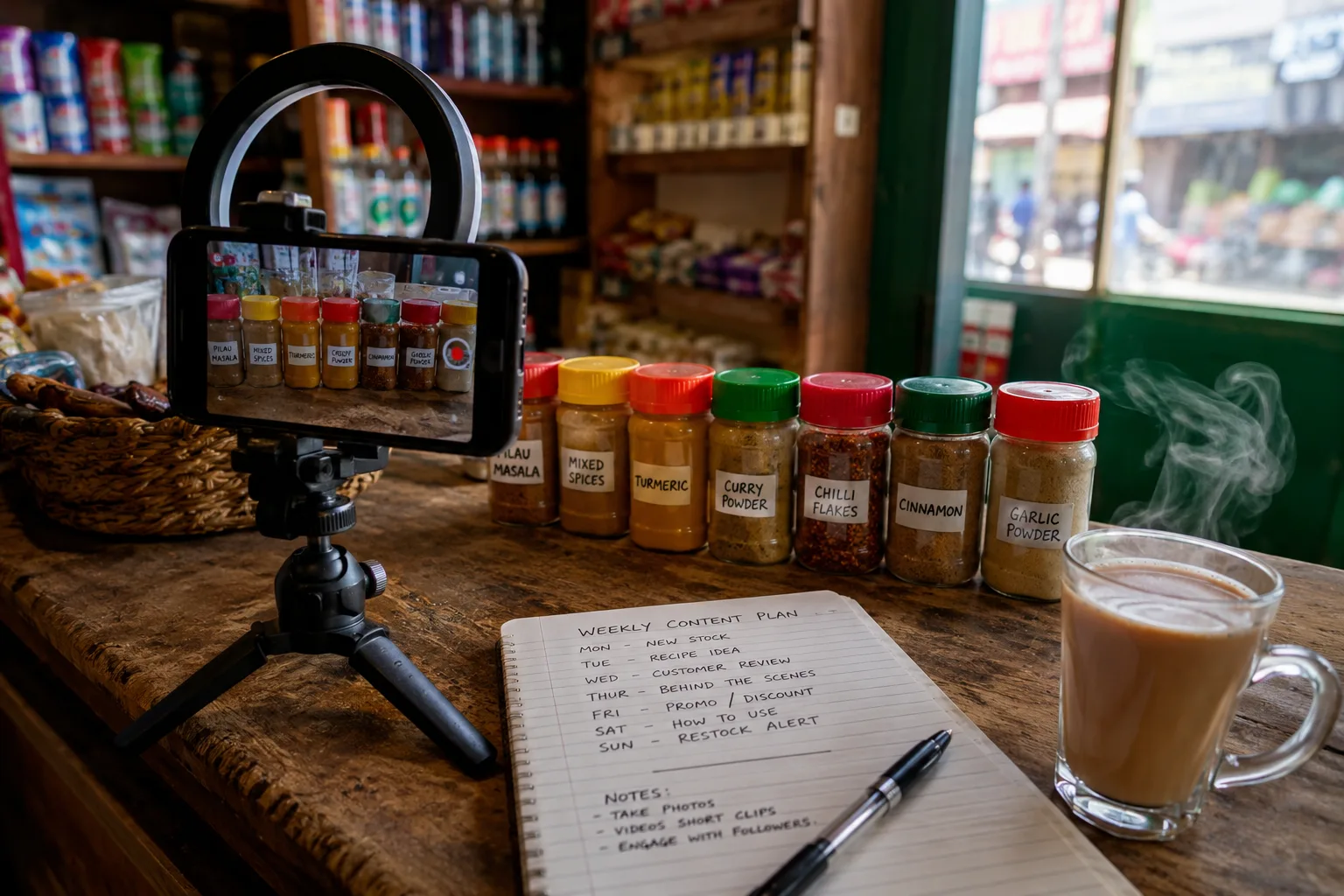
Digital marketing for Kenyan SMEs, honestly
Digital marketing for small businesses in Kenya, without the hype. Where a founder on a tight budget should actually spend limited time and money.
Read article→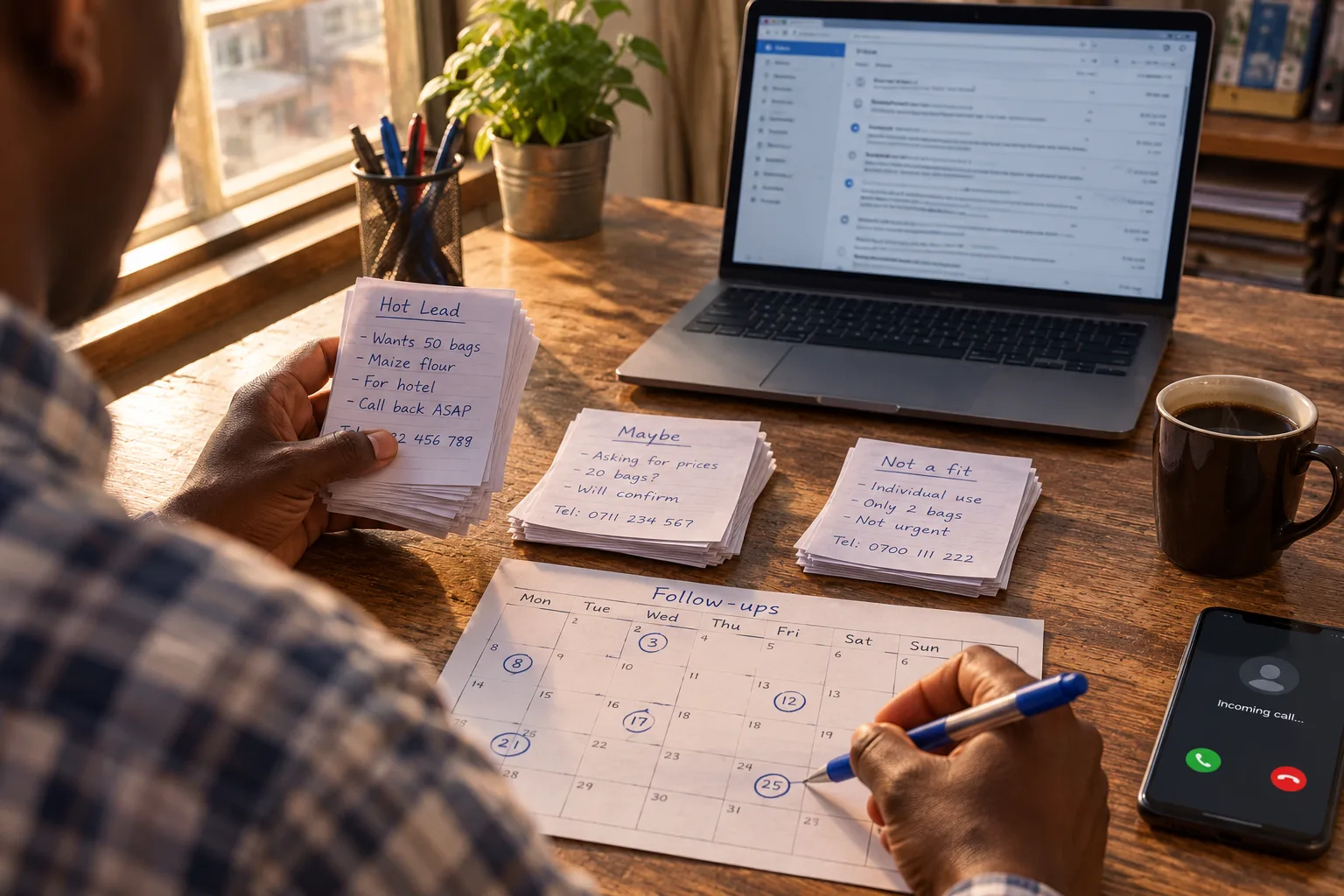 · Yash Shah
Lead generation for small businesses
Lead generation for small businesses is a different problem than the big-agency playbook solves. Here's what actually brings in qualified leads.
Read article→ · Yash Shah
AI in retail and e-commerce for small teams
Most of Amazon's AI playbook doesn't transfer to a ten-person retailer. These four pieces do, including the WhatsApp part everyone underestimates.
Read article→